
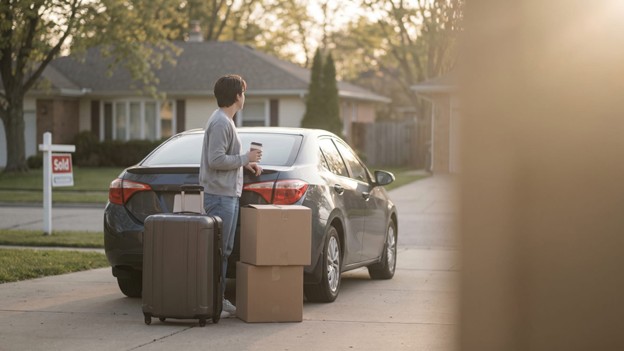
When people get a new job out of state, the focus is almost always on the apartment lease, the flight, and the official start date for work. The car usually comes last in the planning process. You figure you just call a transport company, give them a date, and the car moves. That is usually where the entire moving schedule falls apart. Transporting a massive vehicle is fundamentally different from moving boxes or shipping a package in the mail. Moving To Another State Because Of New Career – What To Expect And Helpful Tips
Table of Contents
Trucks do not run on your new job schedule, they run on routes. People think moving a car is like booking a flight where everything happens at a very specific time. What actually happens is you are trying to fit your personal vehicle into a very complex industrial freight network. Expecting a heavy truck to sync perfectly with your exact moving timeline usually just creates a lot of unnecessary stress right before you start working.
Why your car doesn’t move just because you booked it
When you hire a company to move your car, the truck is not just sitting in a parking lot with your name on it. Getting a booking confirmation just means your vehicle information was entered into a dispatch system. The carrier still has to fit your car into a specific route with other vehicles to make the trip make sense.
Trucks only make money by running completely full. If a driver is heading from Chicago down to Texas for example, they are building a puzzle of seven to nine cars to make that long trip profitable. If your car fits the puzzle geographically and financially, the driver takes it. If it does not fit the route right away, you wait. This means your car actually moves when the truck’s route is optimized, not right after you pay your deposit online.
The timing disconnect between your moving date and the truck
People always want their car to arrive on the exact same day they get the keys to their new place in the new state. That almost never happens in real life. Even if you book three months before your new job starts, the transport system works on flexible windows rather than exact appointments.
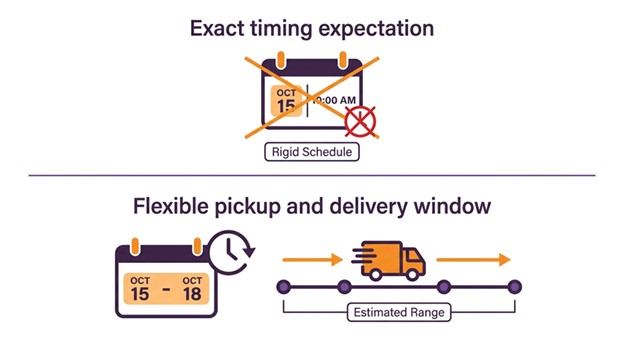
A truck driver is handling traffic, weigh stations, bad weather, and pickups for six other people along the highway. They literally cant promise a delivery time down to the hour. Drivers also operate under strict federal limits on exactly how many hours they are legally allowed to drive each day. Delays happen all the time because of this. The reality is you should expect a pickup window of a few days and a delivery window of a few days. Planning your move with a buffer is really the only way to avoid scrambling for a rental car on your very first day of work
How the geography of your new job changes everything
Where you are moving to matters a lot more than how far away it is. People assume a 500 mile trip is always faster than a 1000 mile trip. That is a completely false assumption in the auto transport world. It all comes down to route density and how many other people are moving the same way. If you are relocating between two major cities like Los Angeles and Seattle, there are dozens of trucks running that exact highway every single day. Your car gets matched to a route very quickly. If your new career takes you to a small town off the main highway, very few trucks are going that way. The driver has to go way out of their normal path to get to you. You will end up waiting longer for a driver willing to take that detour, and you will pay a premium for it.
Why the exact address is a logistics compromise
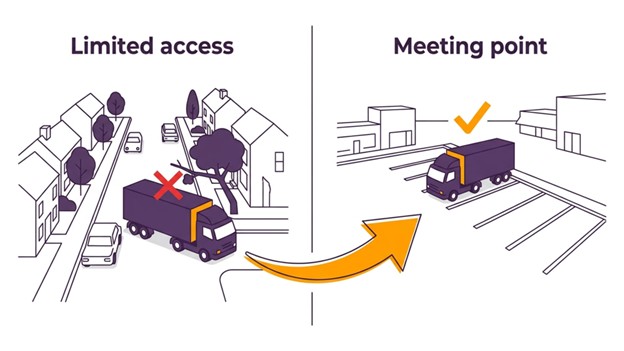
Everyone asks for door to door car shipping when they book a move. They picture a massive transport rig pulling directly up to their new apartment complex or suburban driveway. The reality on the ground is very different. Most transport trucks are roughly 80 feet long and very heavy. They physically cannot maneuver through narrow residential streets, tight apartment gates, or areas with low hanging tree branches. Instead, the service actually means the driver gets as close to your address as safely possible. You will almost always have to meet them at a nearby grocery store parking lot or a large shopping plaza to do the final handover. You have to work directly with the driver to find a wide open spot that handles the massive turning radius of the rig.
What actually controls the cost of the trip
Pricing in vehicle transport is completely market driven and changes constantly. It is not just a fixed rate per mile. A lot of people moving for work get confused why a coworker paid much less for a longer trip just a few months ago. It comes down to carrier capacity and seasonal demand cycles. If you are moving a car south in the early winter, everyone else is doing the exact same thing to escape the snow. High demand means higher prices to get a spot on a truck. If you are moving opposite of the heavy traffic, its cheaper but it might take a bit longer because fewer trucks are running that direction.. Sometimes having a little flexibility in your timeline saves you more money than trying to negotiate the rate.
Loading risks you should actually care about
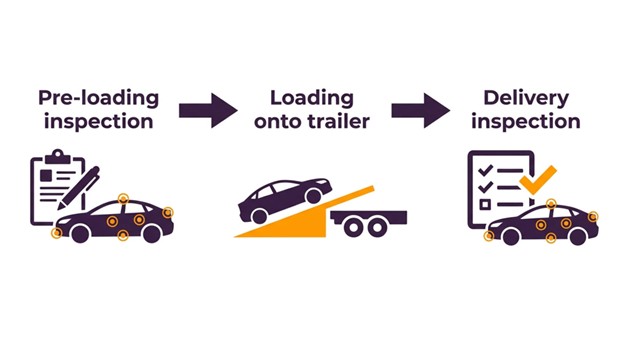
You might think the dangerous part of shipping a car across the country is the thousands of miles of highway driving. That is actually the safest part of the entire journey. The real risk exposure always happens during the loading and unloading process. Moving a car on and off steep metal ramps while avoiding other parked vehicles requires a lot of manual handling. This is exactly why the initial physical inspection is so critical. The driver will walk around your car before it goes on the trailer to mark every single existing scratch on a legal document called the Bill of Lading. This exact same process happens again when they unload it in your new state. Paying close attention during these specific loading moments is far more important than worrying about the actual drive on the highway.
Dealing with transport connections effectively
When organizing a big move across state lines, a lot of people use brokers or logistics platforms to find the actual trucks. Finding a reliable connection is the tricky part since there are thousands of different independent carriers on the road. The main thing is setting the right expectations up front. If you use a solid logistics connection like Rivalane they understand how the lane systems actually work behind the scenes. The key is just realizing that shared transport capacity means your vehicle is part of a much larger network of freight. It is an industry built entirely around moving heavy items together efficiently, not catering to one single personal relocation schedule.