
5 Tips and Tricks for Creating a Killer Project Plan (Without Losing Your Sanity 😄)
Creating a project plan is like preparing a roadmap for a long journey. Without it, you may still reach the destination—but with wrong turns, delays, and lots of stress.
This guide will walk you through simple, practical, and friendly steps to build a solid project plan—without drowning in complex theory.
Let’s begin.
Table of Contents
1- What Is a Project Plan (In Simple Words)?
A project plan is a document that explains:
- What needs to be done
- Who will do it
- When it will be done
- How much time and money it will take
- How progress will be tracked
Think of it as your project’s GPS 📍.
Without it, you’re basically saying:
“Let’s start and hope for the best.” (Not recommended.)
2- What a PM Should Prepare Before Starting
Tips and Tricks for Creating a Killer Project Plan. Before opening Excel, MS Project, or any fancy tool, collect this information first:
Project Basics
- Project objective
- Business need
- Scope (what is included / excluded)
- Key stakeholders
- Budget limits
- Target timeline
Key Inputs
- Customer requirements
- Contract details
- Resource availability
- Technical constraints
- Risk factors
📌 Tip: If you skip this step, your plan will look nice—but won’t work.
14 Top Skills Of a Successful Project Manager – Exceediance
3- Core Fields in Any Project Plan
Every good project plan contains these basic columns:
| Field | Meaning |
|---|---|
| Task | What needs to be done |
| Predecessors | What must finish/start before this |
| Duration | How long it takes |
| Resources | Who will work |
| Start | Start date |
| Finish | End date |
Example:
| Task | Predecessor | Duration | Resource | Start | Finish |
|---|---|---|---|---|---|
| Design | – | 5 days | Engineer | Jan 1 | Jan 5 |
| Development | Design | 10 days | Developer | Jan 6 | Jan 19 |
Simple. Clear. Powerful.
4- Understanding Predecessors (Without Headache 🤯)
Predecessors define task relationships.
They answer:
“What must happen before this task?”
1. Finish-to-Start (FS) – Most Common
Task B starts after Task A finishes.
Example:
- Design → Development
Design must finish before development starts.
2. Start-to-Start (SS)
Both tasks start together.
Example:
- Documentation + Development
Docs start when development starts.
3. Finish-to-Finish (FF)
Both finish together.
Example:
- Testing + Bug Fixing
Both end at same time.
4. Start-to-Finish (SF) (Rare)
Task B finishes when Task A starts.
Example:
- Old system stops when new system starts
📌 Tip: In 90% of projects, FS is enough. Don’t overcomplicate.
Learn more:
https://www.projectmanager.com/blog/task-dependencies
5- How to Choose the Right Duration
Wrong durations = wrong plan ❌
Best Practices
- Use past experience
- Ask technical teams
- Add buffer
- Avoid guessing
Bad Example:
“This will take 3 days.”
(Why? “Just feeling.” 😅)
Good Example:
“Last time it took 4 days. Let’s keep 5.”
Simple Formula
Expected Duration = Best Case + Buffer
📌 Tip: Always add 10–20% buffer.

6- How to Set a Project Baseline
A baseline is your “approved plan”.
Once set, it becomes your reference point.
You compare:
- Planned vs Actual
- Budget vs Spend
- Timeline vs Delay
When to Set Baseline
After:
✔ Scope approved
✔ Budget approved
✔ Schedule approved
Why It Matters
Without baseline:
“We are late.”
But late compared to what? 🤷♂️
Learn more:
https://www.smartsheet.com/content/project-baseline
50 Quick Proverbs For Project Managers To Improve Communication – Exceediance
7- Recommended Project Structure (Work Breakdown Groups)
Tips and Tricks for Creating a Killer Project Plan. Every professional project should have these main sections:
1. PMO & Governance Section
This is your foundation.
Includes:
- Project Charter
- Stakeholder Register
- RACI Matrix
- Kick-off Meeting
- Documentation Structure
- Communication Plan
📌 Think of this as “project administration”.
2. Procurement & Payments Section
Money matters 💰
Includes:
- PO issuance
- Vendor contracts
- Payment milestones
- Customer invoicing
- Invoice tracking
If you ignore this section, finance will find you 😄.
3. Planning & Design Section
Technical preparation.
Includes:
- High-Level Design (HLD)
- Low-Level Design (LLD)
- Architecture diagrams
- Technical approvals
No design = future rework.
4. Delivery / Implementation Section
The real work happens here.
Includes:
- Development
- Configuration
- Installation
- Deployment
- Integration
This section usually consumes most time.
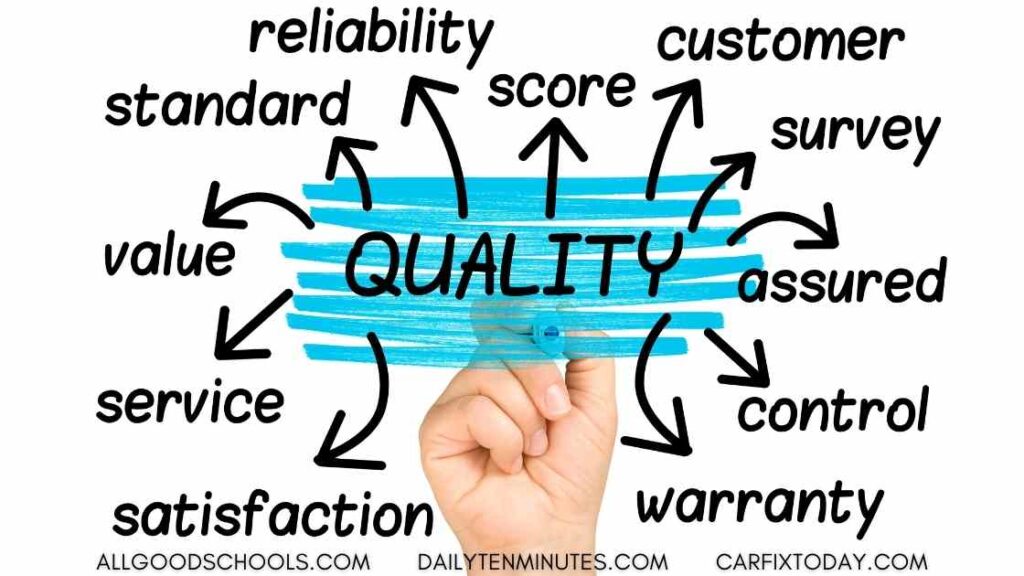
5. Quality Assurance Section
Because “almost working” is not working.
Includes:
- Test cases
- UAT
- Bug fixing
- Acceptance testing
📌 Never rush QA. It always comes back later.
Project and PMO Governance in Jira – 15 Recommended Dashboard – Exceediance
6. Operations & Handover Section
Project → Operations
Includes:
- Training
- SOPs
- User manuals
- Access handover
- Support setup
Without this, operations will keep calling you forever 📞.
7. Project Closure Section
Finish properly. Don’t just disappear.
Includes:
- Final sign-off
- Financial closure
- Lessons learned
- Archive documents
- Team appreciation 🎉
9- Measuring Progress: SPI and Deviations (Easy Version)
What Is SPI?
Schedule Performance Index
Formula:
SPI = Earned Value / Planned Value
Simple Meaning
| SPI | Meaning |
|---|---|
| =1 | On time |
| >1 | Ahead |
| <1 | Delayed |
Example:
- Planned work = 100 units
- Completed = 80 units
SPI = 0.8 → Delay 🚨
Learn more:
https://www.pmi.org/learning/library/schedule-performance-index-spi-8457
Measuring Deviations
Track:
- Planned Start vs Actual Start
- Planned Finish vs Actual Finish
- Planned Cost vs Actual Cost
Example:
| Task | Planned | Actual | Deviation |
|---|---|---|---|
| Testing | 5 days | 7 days | +2 days |
Small deviations early = big problems later.
10- How to Create a Project Status Report
A status report tells management:
“Where we are, what’s wrong, and what’s next.”
Simple Format
1. Overall Status
🟢 Green – On track
🟡 Amber – Risk
🔴 Red – Issue
2. Progress Summary
- % completed
- Key achievements
3. Risks & Issues
- Current blockers
- Mitigation plan
4. Next Steps
- Upcoming tasks
- Deadlines
5. Support Needed
- Decisions
- Approvals
- Resources
Example Template:
https://www.projectmanager.com/templates/project-status-report
11- How to Produce a Gantt Chart
A Gantt chart shows tasks on a timeline.
It helps visualize:
- Dependencies
- Overlaps
- Delays
Tools You Can Use
- MS Project
- Excel
- Smartsheet
- ClickUp
- Asana
Free Online Tool:
https://www.teamgantt.com/free-gantt-chart-software
Steps
- List tasks
- Add durations
- Add dependencies
- Assign resources
- Generate chart
📌 Update it weekly. Old Gantt charts are decoration only.
Build a FREE Online Gantt Chart in Minutes – No Excel, No Sign Up Needed – Exceediance
12- Tips and Tricks from Real Projects 😎
1. Don’t Over-Detail
If your plan has 2,000 tasks, nobody will read it.
Keep balance.
2. Always Have Buffer
No buffer = guaranteed delay.
3. Update Weekly
An outdated plan is worse than no plan.
4. Involve Your Team
Don’t plan alone in a closed room.
Ask:
“Is this realistic?”
5. Communicate Early
Bad news early = manageable
Bad news late = disaster 💣
Recommended Learning Links
- PMI Guide: https://www.pmi.org
- Project Planning Basics: https://asana.com/resources/project-planning
- Gantt Charts: https://www.smartsheet.com/gantt-chart-excel
Final Thoughts
A good project plan is not about perfection.
It’s about:
✅ Clarity
✅ Visibility
✅ Control
✅ Confidence
When done right, it helps you:
- Avoid surprises
- Handle risks early
- Gain stakeholder trust
- Sleep better at night 😴
Remember:
“Plan well. Execute calmly. Report honestly. Close proudly.”