Read the Instructions in below screen and the click “Initialize Systems”, Don’t worry, its just to energize you, there is no backend system 🙂
Security Center Action Manager
Security Center Action Manager
Welcome to the Incident Command Hub. You are charged with mitigating live operational enterprise threats.
🎮 Operational Rules:
1. Read the threat situation card on the left.
2. Click a red anchor dot on the right edge of the threat card.
3. Match it by clicking the blue dot on the correct mitigating strategy option block.
4. Customize your Agent ID in the left sidebar at any time to personalize your shareable corporate credential.
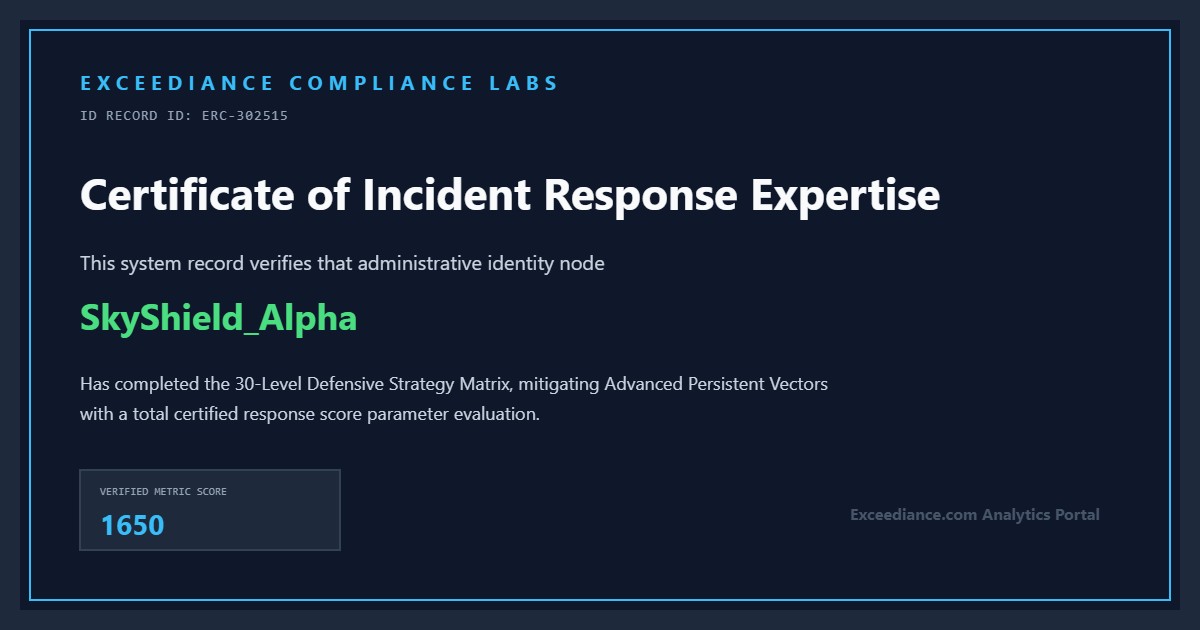
You managed all infrastructure incidents with enterprise structural compliance frameworks.
VERIFIED COMMAND SCORE
0
Knowledge Refresher
Here is an expanded, comprehensive knowledge-refresh guide covering all 30 advanced persistent and technical threat vectors included in the Security Center Action Manager system engine database.
This extended list maintains your exact scenario-based format and is ready to be pasted directly beneath your game window to serve as an authoritative training index for your readers.
🛡️ Complete Security Center Reference Index: 30 Threat Scenarios
Level 1: The CEO Impostor
Threat Profile: A targeted social engineering script where an adversary acts as an internal executive entity via a spoofed email domain, distributing a malicious tracking sheet link to harvest corporate credentials.
Recommended Action:Deploy Identity Awareness Training
Elaboration: Technical boundary filters can still fail to catch sophisticated domain spoofs. Continuous staff education builds human firewall compliance, ensuring employees inspect out-of-band communication profiles before executing unknown links.
Level 2: The Border Wall Surge
Threat Profile: A classic volumetric Distributed Denial of Service (DDoS) storm, routing millions of concurrent junk requests to saturate edge routing gateways, aiming to force total web service blackouts.
Recommended Action:Activate Scrubbing Center & Rate Limits
Elaboration: Traffic rate-limiting dynamically restricts single-source request thresholds. Passing the ingress footprint through a cloud scrubbing layer isolates malicious botnet junk packets while keeping genuine business telemetry open.
Level 3: The Locked Vault
Threat Profile: High-impact ransomware executing inside local environments, modifying file extensions via cryptographic locking algorithms and rendering shared directory partitions completely unreadable.
Elaboration: First, disconnect affected storage nodes instantly to prevent automated lateral movement across adjacent server racks. Once the threat vector is neutralized, restore systems to operational baselines using secure, immutable offline backups that the ransomware could not reach.
Level 4: The Shadow Admin Run
Threat Profile: A local privilege escalation event where an adversary compromises low-tier vendor credentials and uses configuration script exploits to hijack root superuser system tokens.
Recommended Action:Enforce Least Privilege Controls + Audit System Administrative Logs
Elaboration: Restrict third-party or standard service accounts from making arbitrary global architectural alterations. Pairing these restrictions with centralized administrative audit logging allows security analysts to immediately detect unauthorized runtime elevation commands.
Level 5: The Leak in the Web API
Threat Profile: An accidental infrastructure exposure event where internal authentication details or public cloud configuration buckets are exposed to the open web, inviting automated data scraping tools.
Recommended Action:Enforce API Token Authorization + Rotate Infrastructure Keys
Elaboration: Ensure every exposed interface strictly validates active, cryptographically signed access tokens. When key assets leak, immediate token rotation cuts off unauthorized network access and locks down compromised data pipelines.
Security Center Self Test And Certificate
Level 6: The Malicious Forum Script
Threat Profile: A Stored Cross-Site Scripting (XSS) attack where input fields lack sanitation, allowing malicious entities to upload hidden client-side JavaScript that executes inside the browsers of unsuspecting visitors.
Elaboration: A robust CSP forces the browser to only execute JavaScript originating from verified, trusted domains. Even if an attacker injects a script, the browser blocks it from running, protecting user sessions and cookies.
Level 7: The Resigning Collector
Threat Profile: An insider threat event where a departing employee uses their active access privileges to download bulk corporate data tables onto unencrypted external devices before their exit process completes.
Recommended Action:Deploy Data Loss Prevention (DLP) + Revoke Enterprise Identity Access
Elaboration: DLP tools actively intercept mass outbound transfers of classified keywords or records. Once a high-risk transition window is identified, identity lifecycle access must be updated to restrict download authority.
Level 8: The Public Invoice Integer Leak
Threat Profile: An Insecure Direct Object Reference (IDOR) flaw within web application routing, allowing external users to view private documents by simply changing a numeric parameter value in the browser’s address bar.
Elaboration: Web engines must never trust user-supplied URL variables implicitly. Every backend query should cross-reference the user’s session token to ensure they have explicit authority to view that specific asset index.
Level 9: The Ghost Profiles
Threat Profile: Operational identity decay where legacy admin accounts belonging to former employees are left active in internal repositories, allowing adversaries to discover and weaponize them.
Elaboration: Tie single sign-on system states directly to automated human resources databases. When an asset profile leaves the payroll database, directory access should lock instantly to prevent the account from turning into an unmonitored entry point.
Level 10: The Advanced Silent Breach
Threat Profile: An Advanced Persistent Threat (APT) utilizing persistent implants embedded deep within corporate firmwares to quietly collect and export internal technology insights over months or years.
Recommended Action:Enforce Zero Trust Architectures + Deploy Endpoint Detection (EDR) + Audit System Administrative Logs
Elaboration: Combatting structural espionage requires multiple layers of defense. Zero Trust isolates individual network zones so an intrusion cannot easily spread; active EDR software flags suspicious machine behavior; and constant log auditing helps security teams find hidden, long-term anomalies.
Level 11: The Untrusted Form Field
Threat Profile: Attackers submit raw administrative SQL commands directly into input forms, bypassing weak web filters to drop entire operational database tables.
Recommended Action:Parameterize Form Query Strings
Elaboration: Databases must treat user input strictly as literal data, never as executable code. Prepared statements ensure hidden payloads cannot alter database logic.
Level 12: The Neglected Core Patch
Threat Profile: A server hosting critical web analytics is found running outdated framework libraries exposed to publicly known remote code execution bugs.
Recommended Action:Automated Patch Management
Elaboration: Leaving environments exposed to known vulnerabilities gives script kiddies an open door. Automated, scheduled patch rollouts ensure known security flaws are closed before hackers can scan for them.
Level 13: The Eavesdropping Ingress
Threat Profile: An adversary intercepts unencrypted internal network telemetry passing through a shared office building, logging plain text passwords in transit.
Elaboration: Enforcing high-grade Transport Layer Security (TLS) across all local and external communication paths ensures data remains completely unreadable to anyone listening in on the wire.
Level 14: The Staging Environment Exposure
Threat Profile: A developer sets up a fast cloud sandbox to test database synchronization but forgets to add password protection, exposing live customer data to public URLs.
Recommended Action:Enforce API Token Authorization
Elaboration: Every environment—whether production, testing, or staging—must stand behind robust access authorization blocks. Strict default token requirements prevent accidental public leaks.
Level 15: The Zero-Day Storm
Threat Profile: A newly discovered flaw in system kernels is actively leveraged worldwide before the software vendor has time to build or release a security update.
Recommended Action:Deploy Emergency Virtual Patch
Elaboration: When vendor fixes do not exist, virtual patching tools act as temporary shields, blocking malicious traffic patterns at the network boundary before they can reach the vulnerable software layer.
Level 16: The Poisoned Search
Threat Profile: Bad actors alter public DNS routing tables, tricking enterprise web browsers into directing corporate clients to a malicious mirror website that clones your dashboard login.
Recommended Action:DNSSEC Validation Deploy
Elaboration: Deploying Domain Name System Security Extensions (DNSSEC) signs your DNS records cryptographically, preventing attackers from hijacking or spoofing your domain records.
Level 17: The Public Spreadsheet Spill
Threat Profile: A standard storage folder configuration error leaves an internal financial reporting drive completely readable by anyone on the internet who discovers the root web link.
Recommended Action:Deploy Data Loss Prevention (DLP)
Elaboration: DLP scanners continuously check cloud storage permissions, instantly flagging or locking down any files containing protected strings (like credit card lists or social security numbers) that are set to public status.
Level 18: The Hijacked Web Actions
Threat Profile: A user clicks a bad link on a separate forum, triggering a malicious hidden script that forces their active, logged-in corporate tab to silently initiate password resets.
Elaboration: Modern applications counter this cross-site hijacking by requiring unique cryptographic tokens with every sensitive request, ensuring actions can only be authorized explicitly by the user.
Level 19: The Leftover Subdomain
Threat Profile: A team stops using a third-party analytics dashboard but forgets to delete the old DNS pointing link, allowing hackers to buy the dead domain space and host their own content under your brand name.
Recommended Action:Prune Dead DNS Workspace Records
Elaboration: Maintaining proper digital hygiene by running regular audits on your DNS zones helps spot and delete abandoned records before malicious entities can claim them.
Level 20: The Silent Cloud Miner
Threat Profile: Unauthorized scripts bypass weak server settings, hijacking system resources to mine cryptocurrency behind the scenes and causing massive infrastructure cost spikes.
Elaboration: EDR platforms actively monitor system resource performance, immediately alerting administrators if processing loads suddenly jump due to unauthorized system tasks.
Level 21: The Drifting Clocks
Threat Profile: Attackers modify system time settings on regional servers, corrupting log timestamps and making it impossible for security analytics tools to reconstruct the exact timeline of an active breach.
Recommended Action:Deploy Data Loss Prevention (DLP)
Elaboration: Safeguarding your core Network Time Protocol (NTP) settings with encryption and verification prevents external actors from messing with system time clocks, preserving valid audit paths.
Level 22: The Login Spray
Threat Profile: Sophisticated bot networks pull massive data tables from historical internet data breaches and test millions of old user/password combinations across your corporate single sign-on page.
Recommended Action:Activate Scrubbing Center & Rate Limits
Elaboration: Setting strict rate limits locks out IP addresses that fail multiple authentication attempts in a short window, stopping brute force spray scripts dead in their tracks.
Level 23: The Hidden Package Injection
Threat Profile: An external open-source software library used by your development team gets hijacked by a bad actor who slips malicious background code into the project’s next scheduled update.
Recommended Action:Automated Patch Management
Elaboration: Running automated verification scans against all code libraries helps identify compromised components in your software supply chain before they make it into live systems.
Level 24: The Rogue Backend Hook
Threat Profile: An automated webhook configured to push minor updates to external teams is found to have global administrative write access, giving attackers a quiet backdoor to drop arbitrary payloads.
Recommended Action:Enforce Least Privilege Controls
Elaboration: Applying strict access controls ensures that automated integration paths are only given the bare minimum permissions necessary to complete their specific function.
Level 25: The Deepfake Request
Threat Profile: An emergency financial wire transfer request is initiated over the phone using highly realistic, AI-generated voices that mimic company leadership to trick accounting teams.
Recommended Action:Deploy Identity Awareness Training
Elaboration: Security awareness training helps teams identify social engineering vectors, teaching them to mandate secondary, independent verification checks whenever they receive unexpected high-risk directives.
Level 26: The Legacy Hash Layer
Threat Profile: Security teams discover an old analytical storage node archiving customer account records using obsolete cryptographic algorithms that are highly vulnerable to fast, automated decryption tools.
Elaboration: Isolate outdated legacy hardware networks from primary systems until the database can be upgraded to modern encryption standards (such as AES-256 or bcrypt).
Level 27: The Directory Jump Attack
Threat Profile: Attackers modify standard browser URL syntax with specialized system commands (../../), tricking simple web servers into exposing core operating system file tables.
Recommended Action:Parameterize Form Query Strings
Elaboration: Properly sanitizing incoming HTTP URL requests filters out file path navigation strings, preventing visitors from viewing files outside the public directory root.
Level 28: The Third-Party Extension Breach
Threat Profile: A popular, verified widget plugin running on your main content management site gets acquired by a rogue entity that injects background tracker scripts to harvest visitor session data.
Elaboration: Running a strong Content Security Policy restricts third-party plugins from sending data to arbitrary external servers, rendering unauthorized tracking scripts useless.
Level 29: The Stale Session Token
Threat Profile: Web platforms fail to automatically log users out after long periods of inactivity, allowing bad actors to hijack open sessions on shared office computers.
Recommended Action:Enforce API Token Authorization
Elaboration: Configuring system tokens to expire automatically forces user sessions to close after a set period of inactivity, requiring fresh authentication to regain access.
Level 30: The Cascade Meltdown
Threat Profile: A rare, worst-case disaster scenario where an unpatched software bug triggers simultaneous system failures while external networks lose physical connectivity, crippling primary servers.
Recommended Action:Restore from Cold Offline Backups
Elaboration: Recovering from a catastrophic infrastructure collapse requires a complete rebuild from verified, uncompromised off-site storage backups to ensure a clean return to operational status.